Seasonal stays from two nights, with dinner, breakfast and the Lowveld arranged around you. Available until 16 December 2026.
See the offers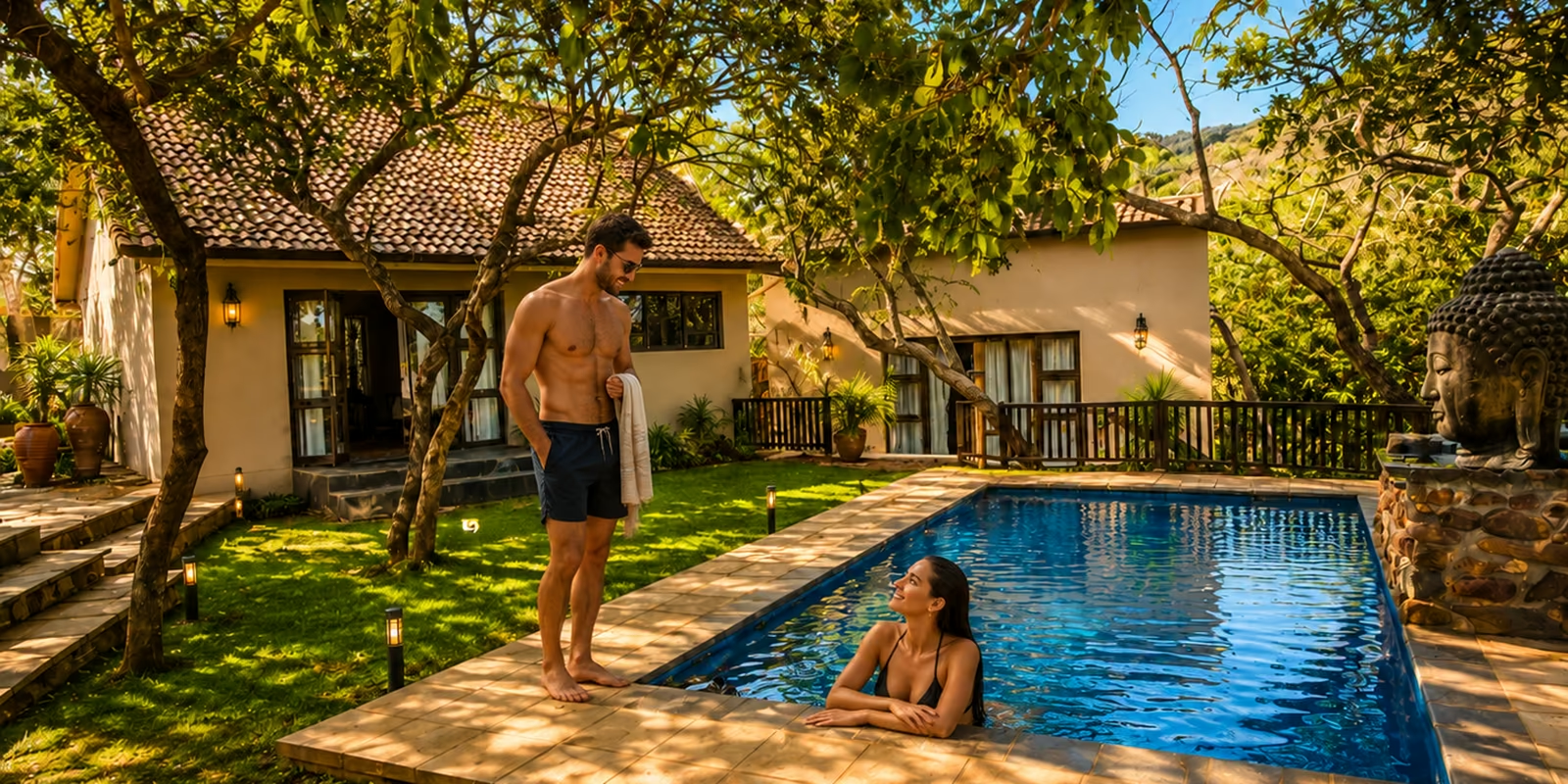
Lowveld guide
When is the best time to visit Kruger and the Lowveld?
There is no bad answer
People often ask us which month is best for Kruger. The slightly frustrating answer is that it depends on what you want.
Winter is dry, the bush is thinner and animals can be easier to find. Summer is green, warm and full of life. The months in between often give you a little of both.
Kruger does not suddenly become good in May and bad again in October. It simply looks different.
April to September: the dry months
This is the traditional safari season. Rain becomes less frequent, the vegetation gradually thins and water is not available everywhere.
That can make wildlife easier to see, particularly later in winter when animals spend more time around rivers and remaining water sources.
If this is your first safari and seeing the larger mammals is at the top of the list, winter is very difficult to argue against.
The days are usually pleasant too. The mornings are another story.
Winter mornings are colder than they look
Do not be fooled by photographs of people wearing shorts in the afternoon. A June or July morning in an open safari vehicle before sunrise can be very cold. Then the vehicle starts moving and creates its own wind.
Wear layers. You will probably remove most of them later in the morning.
The reward is lovely daytime weather, dry roads and a more open bush that is often easier to see through. And once you are back at The Zarafa in the afternoon, it can be warm enough to sit outside and enjoy the villa.
October to March: everything turns green
The first good rains change the Lowveld remarkably quickly. Grass appears. Trees fill out. The dusty winter landscape becomes green.
There is water in more places and the bush becomes thicker, so animals can sometimes require a little more effort to find.
But that does not make summer a poor time for safari. It simply changes what is happening around you.
Summer is beautiful
If you like colour, birds and dramatic weather, summer is hard to beat. Migratory birds arrive. The bush is full. The landscape looks completely different from winter.
Afternoons can build towards spectacular thunderstorms, followed by that particular smell of rain on hot earth and a noticeable drop in temperature.
If your idea of Africa includes a lush, green landscape rather than a dry winter bush, this is the season you are picturing.
And yes, it gets hot
November through February can be hot and humid. There is no point pretending otherwise.
The trick is not to fight it. Go on safari early. Come back before the hottest part of the afternoon if you are doing a half day. Turn on the air conditioning. Get into your private pool. Do less.
Dinner is much nicer once the heat of the day has softened. The private pool earns its keep particularly well in summer.
What about the rain?
Summer rain in the Lowveld often comes as showers or thunderstorms rather than endless grey days. Of course, weather does what it wants and prolonged wet periods can happen.
The bigger issue for visitors is often the Panorama Route. The escarpment can disappear into cloud while Hazyview is perfectly clear.
If you are staying several nights, keep the itinerary flexible. Do Kruger on the cloudy day and move the Panorama Route to a clearer one.
This is another reason we like having Hazyview as one base rather than changing hotels every night.
April and May
These are two of our favourite months. The worst of the summer heat is easing. Rain is becoming less frequent. The landscape can still have some of its green colour. And Kruger is gradually moving into its drier winter pattern.
For people who want comfortable weather without the landscape being completely dry, April and May are very easy months to recommend.
June and July
Come for classic winter safari conditions. Mornings are cold. Days are generally lovely. The bush is getting drier and thinner.
If wildlife viewing is the priority, this is a very good time to be here.
Bring something warm for the safari vehicle and do not assume that because you are in Africa you will never need a jacket.
August and September
By late winter the landscape is dry and game viewing can be excellent. Days are starting to warm. There is less water around and the bush can be dusty.
It is not the lush version of Africa you see in summer photographs, but it has its own beauty.
Then, at some point, the season begins to turn. The timing is never exact. A storm arrives. New green growth appears. And suddenly summer is on its way again.
November to February
Come because you like summer, not because somebody persuaded you the heat would not be noticeable. It will be.
But you also get a green Kruger, dramatic skies, warm evenings and a pool you will use every day.
Plan early activities and slower afternoons. There is no need to schedule a strenuous outdoor excursion at two o’clock simply because there is a blank space on the itinerary.
So which month would we choose?
If your first priority is game viewing, we would lean towards May to September. If you love green landscapes, birds and summer weather, look at November to March.
If you want a bit of both, April and May are particularly good. If you want dry-season wildlife viewing but warmer days, August and September work very well.
And at The Zarafa?
Every season changes the rhythm a little. Winter is coffee and layers before an early safari, followed by a sunny afternoon back at the villa. Summer is an early start, a long swim during the heat of the day and dinner once the evening has cooled.
The best time to visit is not really the month somebody on the internet has declared perfect. It is the season you would most enjoy being here.
Written by The Zarafa, Hazyview. Last reviewed 9 September 2026. We live twenty minutes from Phabeni Gate, so everything here is what we would tell a guest who asked by email. Park times, fees and flight schedules change, so check SANParks for anything time-sensitive.